
Metoprolol hyperglycemia
2026-02-26Are you looking for a reliable solution to manage your blood sugar levels while taking metoprolol? Look no further!
Metoprolol Hyperglycemia offers a specialized approach to help you monitor and control your glucose levels effectively.
With our innovative methods and expert guidance, you can stay on top of your health and achieve the balance you deserve.
Don't let hyperglycemia stand in your way – choose Metoprolol Hyperglycemia today!
Research
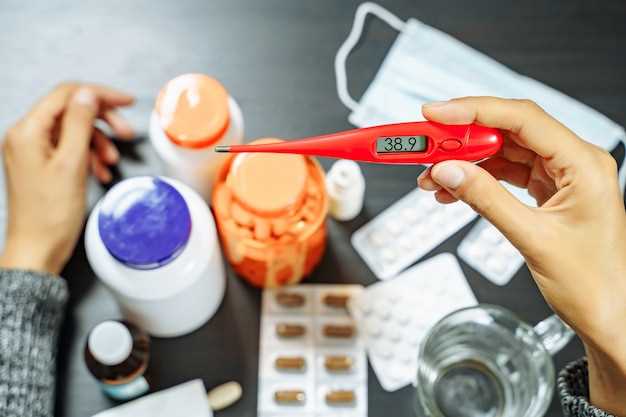
Research plays a crucial role in understanding the effects of Metoprolol on hyperglycemia. Numerous studies have been conducted to investigate the relationship between Metoprolol and elevated blood sugar levels. These studies have provided valuable insights into how Metoprolol affects glucose metabolism and insulin sensitivity in patients.
Researchers have explored the mechanisms through which Metoprolol can lead to hyperglycemia, such as its impact on insulin secretion, glucose transport, and liver function. By delving into these mechanisms, scientists aim to develop better strategies for managing and preventing Metoprolol-induced hyperglycemia.
| Key research findings include: |
| - Metoprolol may disrupt insulin signaling pathways, contributing to insulin resistance. |
| - Metoprolol can lead to impaired glucose tolerance and increased risk of developing diabetes. |
| - Some studies suggest that Metoprolol's effect on glucose metabolism varies depending on the dosage and duration of treatment. |
Overall, ongoing research efforts continue to shed light on the complex relationship between Metoprolol and hyperglycemia, paving the way for improved treatment strategies and patient care.
Studies on effects
Hyperglycemia is a common side effect of Metoprolol, a beta-blocker medication used to treat high blood pressure and other cardiovascular conditions. Studies have shown that Metoprolol can lead to elevated blood sugar levels, especially in individuals with diabetes or predisposed to diabetes. The effects of hyperglycemia can range from mild symptoms such as increased thirst and frequent urination to more severe complications like diabetic ketoacidosis. It is important for patients taking Metoprolol to be aware of these potential effects and to monitor their blood sugar levels regularly.
Symptoms
Hyperglycemia symptoms can vary and may include:
- Increased thirst: Feeling constantly thirsty and needing to drink more fluids.
- Frequent urination: Needing to urinate more often than usual, especially at night.
- Fatigue: Feeling tired and lacking energy.
- Blurred vision: Vision may become blurry or distorted.
- Weight loss: Unexplained weight loss despite a normal or increased appetite.
- Slow-healing sores: Wounds or sores may take longer to heal.
- Headaches: Regular headaches, often accompanied by fatigue.
- Nausea and vomiting: Feeling nauseous and occasionally vomiting.
If you experience any of these symptoms, it is important to consult with a healthcare professional for proper evaluation and management of hyperglycemia.
Common signs to detect
When managing hyperglycemia, it's crucial to be aware of the common signs that may indicate high blood sugar levels. These signs include:
Frequent urination
Excessive thirst
Unexplained weight loss
Fatigue or weakness
Blurred vision
Increased hunger
It's important to monitor these symptoms and seek medical attention if you experience any of them, as untreated hyperglycemia can lead to complications. Remember to follow your healthcare provider's recommendations for managing and treating high blood sugar levels.
Treatment
When dealing with metoprolol-induced hyperglycemia, the primary goal is to lower blood sugar levels and manage the condition effectively. Here are some key treatment options:
- Consult Your Healthcare Provider: If you experience symptoms of hyperglycemia while taking metoprolol, it is crucial to consult your healthcare provider immediately. Your doctor will evaluate your condition and recommend appropriate treatment.
- Medication Adjustment: In some cases, your healthcare provider may adjust the dosage of metoprolol or prescribe alternative medications to help control your blood sugar levels.
- Dietary Changes: Following a balanced diet low in sugars and carbohydrates can help manage hyperglycemia. Your doctor or a nutritionist can provide guidance on suitable dietary changes.
- Regular Monitoring: It is essential to monitor your blood sugar levels regularly, especially when taking metoprolol. This can help track your progress and ensure that treatment is effective.
- Physical Activity: Engaging in regular physical activity can improve insulin sensitivity and help control blood sugar levels. Consult your doctor to create a safe and effective exercise plan.
Managing hyperglycemia
Effective management of hyperglycemia is essential to prevent complications and maintain overall health. Here are some key strategies for managing high blood sugar levels:
Dietary Changes
One of the first steps in managing hyperglycemia is to make dietary changes. Limiting the intake of sugar and refined carbohydrates, choosing whole grains, lean protein, and healthy fats can help stabilize blood sugar levels.
Regular Exercise
Engaging in regular physical activity is another important aspect of managing hyperglycemia. Exercise can help lower blood sugar levels and improve insulin sensitivity. Aim for at least 30 minutes of moderate-intensity exercise most days of the week.
Managing hyperglycemia also involves regular monitoring of blood sugar levels, taking prescribed medications as directed by a healthcare provider, and seeking medical advice if blood sugar levels remain consistently high.
Prevention
Preventing hyperglycemia is essential for overall health and well-being. Here are some key strategies to help manage and prevent hyperglycemia:
Healthy Diet

Adopting a balanced and nutritious diet is crucial in preventing hyperglycemia. Limiting sugary foods and opting for whole grains, fruits, vegetables, and lean proteins can help regulate blood sugar levels.
Regular Exercise
Engaging in regular physical activity is important in managing blood sugar levels. Aim for at least 30 minutes of moderate exercise most days of the week to help prevent hyperglycemia.
Remember: Monitoring blood sugar levels regularly, taking prescribed medications, and following your healthcare provider's recommendations are also key components in preventing hyperglycemia.
Precautionary measures
1. Regularly monitor blood sugar levels to detect any changes early.
2. Follow the prescribed dosage of metoprolol to prevent hyperglycemia.
3. Inform your healthcare provider if you experience any unusual symptoms or changes in your health while taking metoprolol.
4. Maintain a healthy diet and exercise routine to help manage blood sugar levels effectively.
5. Engage in regular physical activity to improve overall health and reduce the risk of developing hyperglycemia.