
Metoprolol and diabetes mellitus
2026-02-26Are you struggling to control your diabetes?
Metoprolol may be the solution you've been looking for.
Metoprolol, a beta-blocker medication, not only helps manage high blood pressure and heart conditions, but it also has proven benefits for individuals with diabetes. By influencing the body's response to insulin and glucose, Metoprolol can help stabilize blood sugar levels and improve overall diabetes management.
Take control of your diabetes with Metoprolol today!
Understanding Metoprolol and Diabetes
Metoprolol is a commonly prescribed medication for managing high blood pressure and other cardiovascular conditions. It belongs to a class of drugs known as beta-blockers, which work by blocking the effects of adrenaline on the heart and blood vessels, thereby reducing heart rate and blood pressure.
For individuals with diabetes, managing blood pressure and heart health is crucial for overall wellbeing. Metoprolol can help in controlling blood pressure and reducing the risk of heart-related complications in individuals with diabetes.
It is important to understand how Metoprolol interacts with diabetes management and how it can affect blood sugar levels. Consulting with a healthcare provider is essential to determine the right dosage and monitor any potential impacts on blood glucose levels.
- Metoprolol is known to mask symptoms of low blood sugar in diabetes patients, making it important to monitor blood sugar levels regularly.
- Discuss with your healthcare provider if you have diabetes and are prescribed Metoprolol to ensure proper management of both conditions.
- Follow the prescribed dosage and schedule for taking Metoprolol to maintain blood pressure control while managing diabetes effectively.
Understanding the relationship between Metoprolol and diabetes is key to ensuring optimal health outcomes for individuals with diabetes who are using this medication.
Impact of Metoprolol on Blood Sugar Levels
Metoprolol is a beta-blocker medication commonly used to treat high blood pressure, angina, and heart failure. While it is an effective medication for managing these conditions, it can also have an impact on blood sugar levels in individuals with diabetes.
Metoprolol can mask the symptoms of low blood sugar, such as rapid heartbeat, sweating, and tremors, making it harder for individuals with diabetes to recognize and treat hypoglycemia. It can also cause blood sugar levels to fluctuate, leading to episodes of hyperglycemia or hypoglycemia.
Key Points:
- Metoprolol can mask symptoms of low blood sugar.
- It can cause blood sugar levels to fluctuate.
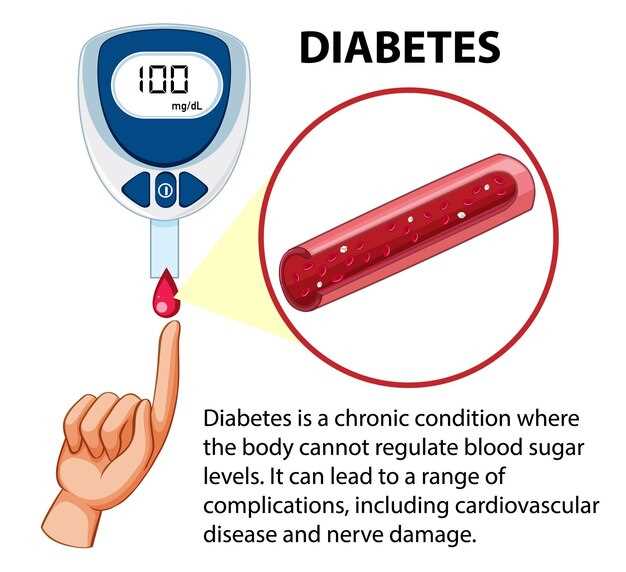
- Monitoring blood sugar levels regularly is essential while taking Metoprolol.
Impact of Metoprolol on Blood Sugar Levels
Managing your blood sugar levels is crucial when taking Metoprolol, as this medication can affect your glucose levels. Metoprolol is known to mask the symptoms of low blood sugar, making it more challenging to detect and treat hypoglycemia.
It's essential to monitor your blood sugar regularly while on Metoprolol and be aware of the signs of low blood sugar, such as dizziness, shakiness, confusion, and sweating. If you experience any symptoms of hypoglycemia, it's vital to address them promptly by consuming glucose-rich foods or beverages.
In some cases, Metoprolol may also cause increases in blood sugar levels, especially in individuals with diabetes. If you notice elevated blood sugar levels while taking Metoprolol, discuss this with your healthcare provider to determine the best course of action.
Remember to follow your healthcare provider's recommendations for monitoring your blood sugar levels and managing any fluctuations that may occur while on Metoprolol. By staying vigilant and proactive, you can help maintain stable blood sugar levels and effectively manage your diabetes alongside your Metoprolol treatment.
Managing Diabetes while on Metoprolol
When managing diabetes while on Metoprolol, it is important to monitor your blood sugar levels regularly. Metoprolol can affect blood sugar levels, so it is crucial to keep a close eye on your glucose levels and adjust your diabetes management plan as needed. Consult with your healthcare provider to determine the best course of action for managing both your diabetes and your hypertension with the use of Metoprolol.
Potential Risks and Side Effects
As with any medication, metoprolol carries certain risks and potential side effects that you should be aware of. It is important to consult your healthcare provider before starting metoprolol treatment to understand the potential risks and how to manage them.
- Common side effects: Common side effects of metoprolol may include tiredness, dizziness, slow heart rate, diarrhea, and nausea. These side effects are usually mild and may go away as your body adjusts to the medication.
- Serious side effects: In rare cases, metoprolol can cause serious side effects such as difficulty breathing, chest pain, fainting, swelling of the hands or feet, and irregular heartbeat. If you experience any of these symptoms, seek medical attention immediately.
- Allergic reaction: Some people may experience an allergic reaction to metoprolol, which can manifest as rash, itching, swelling, severe dizziness, or difficulty breathing. If you develop signs of an allergic reaction, stop taking the medication and seek emergency medical help.
- Interactions with other medications: Metoprolol may interact with other medications, including over-the-counter drugs, herbal supplements, and vitamins. It is essential to inform your healthcare provider about all the medications you are taking to avoid potentially harmful interactions.
Remember that the benefits of metoprolol in managing your condition often outweigh the potential risks. However, it is crucial to be informed about the possible side effects and how to address them to ensure your safety and well-being while taking metoprolol.
Consulting Your Healthcare Provider
When it comes to managing your diabetes while taking Metoprolol, it is crucial to consult with your healthcare provider regularly. Your doctor can provide personalized guidance on how to monitor your blood sugar levels effectively and adjust your treatment plan as needed.
Your healthcare provider will also help you understand the potential risks and side effects associated with Metoprolol and diabetes, ensuring that you can take proactive steps to maintain your health. They can offer advice on lifestyle changes, medication adjustments, and other strategies to help you manage both conditions effectively.
Regular check-ups with your doctor can help you stay on track with your treatment plan and address any concerns or questions you may have. By working closely with your healthcare provider, you can ensure that you are taking the necessary steps to keep your diabetes under control while taking Metoprolol.